Yanmar John Deere EDC17CV54 ECU repair and clone with Dimsport The Genius
The first test of our new equipment 'The Genius' was for what was supposed to be a simple clone job of a fault Yanmar 0281020276 ECU for the 3TNV88C-DYEM2 1.6l engine, from a wood chipper. The customer sourced a replacement ECU from a 4TNV86CHT-MAW engine which had the same Bosch hardware number even though it's from a 2.09 litre engine.
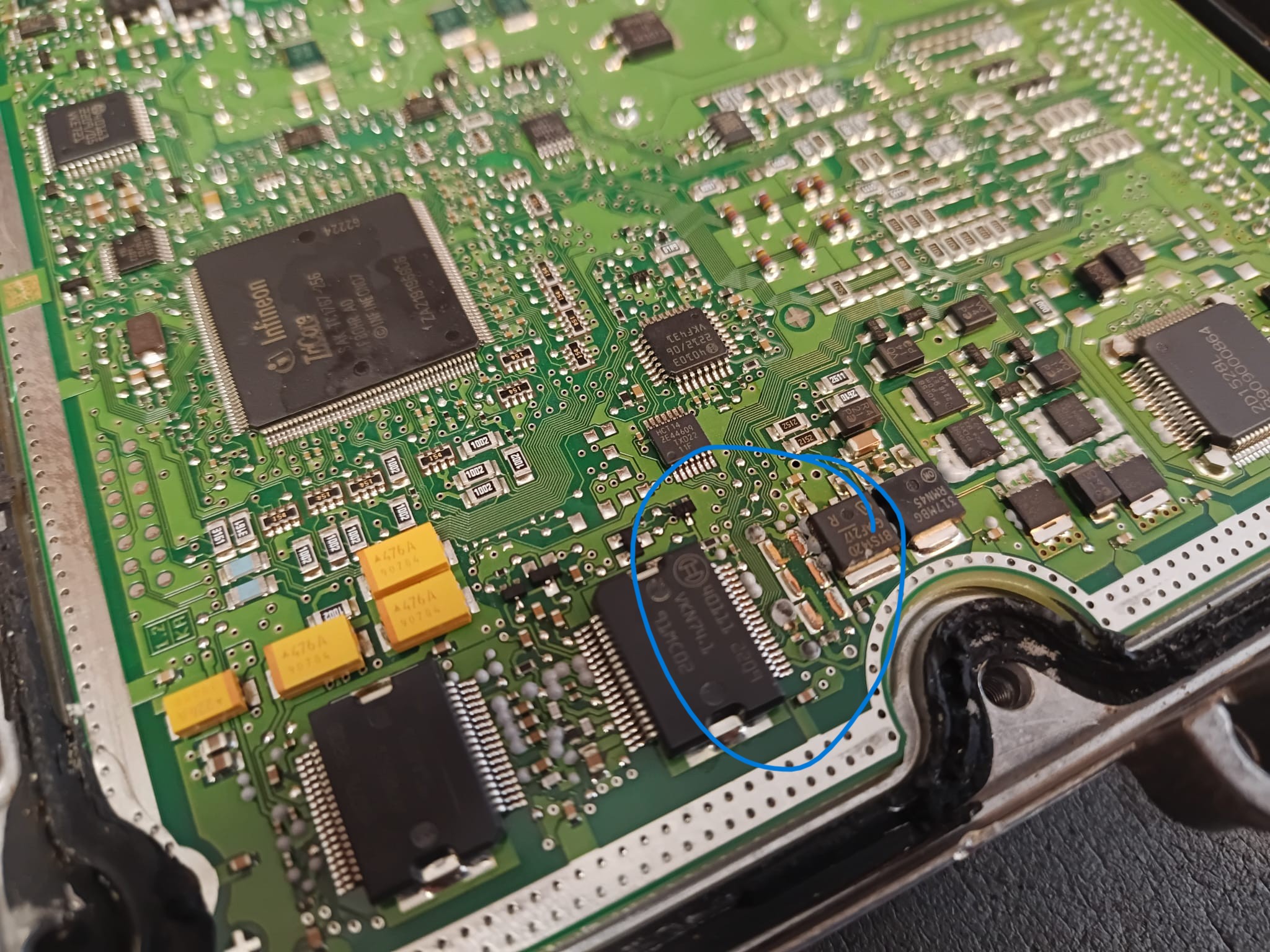
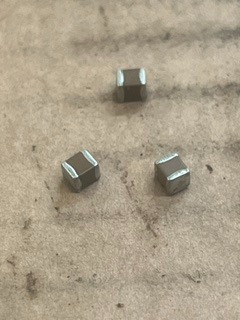
As it has the same Bosch number the ECU is the same within, only the software is different, it has all of the same components within. We noticed the ECU had already been opened, and NOT in the correct way. What we did not notice immediately (due to my aging eyes) was that some capacitors had been ripped off of the board due to opening with a screw driver. The ECU was not drawing any power, a tiny 0.03A (The Genius shows the current draw on the display which is actually very handy). The replacement unit connected up straight away in Bench service mode, and we didn't need to open the ECU or enter boot mode. This confirmed that the problem was from the ECU.
We started with a test running the ECU in boot mode to see if we would get comms, after that failed we began probing the board to check some of the high current draw components.
This was when we noticed some components missing from the board, the tracks were ripped and the solder cracked, although hard to notice because 3 in a row were off and they all looked identical until examining in more depth with a digital microscope.
After getting in touch with the customer, it turns out they had kept these components but forgot to tell us about it, that was helpful because now we knew what should go in the empty space.
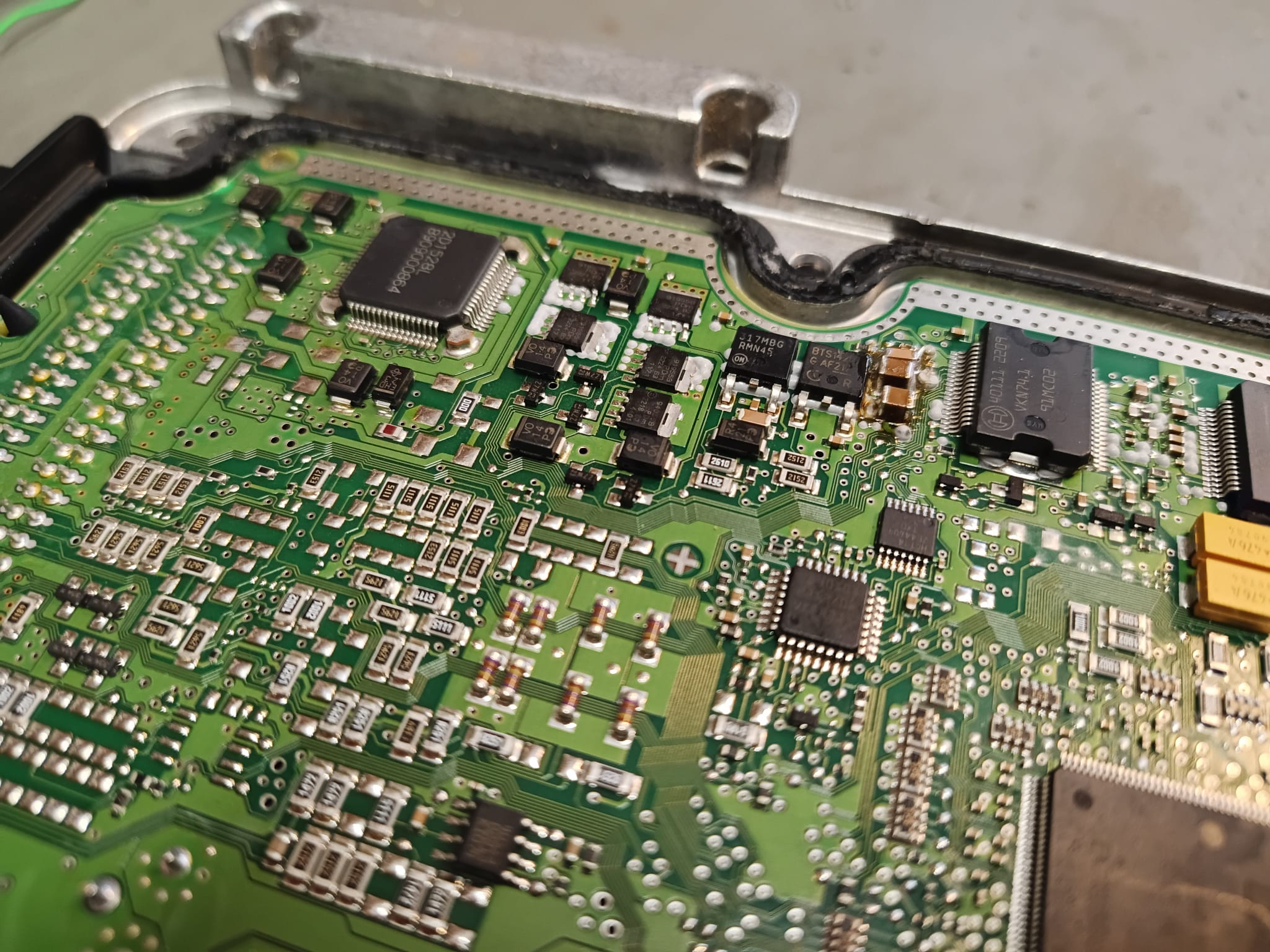
We took apart a spare EDC17 ECU and found some suitable capacitors. Although the tracks were ripped off the board it was just about possible to solder them on.
Obviously this wasn’t a good repair, in fact it looked pretty sketchy because the tracks were sticking up from the board, this would never be used on a running engine, we just wanted to get the data from the processor.
With the new caps in place, the ECU connected immediately, and we could take a read of the Internal flash and the Dflash (eeprom data).
This was good news, as with a full back we could do a complete clone, the new ECU would not need any coding after fitment.
We programmed the data to the new ECU, verified the clone and all was good. Useful to know was that this ECU did not have an protected One Time Program (OTP) Zones, so a complete clone was possible without needing any kind of unlock.
Conclusion1: The Genius is a good tool, the current readout on the display helped to pinpoint the problem much faster than other tools which don’t show this.
Conclusion 2: If you’ve never opened an ECU before, don’t try it on the ECU you need, try it on the spare first, that way if you destroy it, you don’t lose the backup of your data.
Conclusion 3: If you do damage the ECU, please tell us about it before we begin the job, and include all the parts. Then we can get the repair work done much faster.
If you’ve got a similar project, get in touch. Almost every ECU is covered by one of our tools, we have lots of different options depending on the job at hand.